 Code the
 What is AI?
Patterns, examples, predictions, words, images, and the important difference between sounding sure and being right.
Founding cohort · Louisville · Summer 2026
The first cohort learned how AI finds patterns, wrestled with where people need to stay in charge, saw how AI is changing coding, and turned original ideas into working software.

The four-week arc
Each week raised the level of responsibility. By the final week, learners were making creative and technical decisions about their own projects.
Patterns, examples, predictions, words, images, and the important difference between sounding sure and being right.
Useful applications, privacy, fairness, power, guardrails, and the choices people make around a powerful tool.
Exact instructions, languages, bugs, prompts, agents, testing, and why taste still matters when AI can help write code.
An original idea became a working browser project through layered changes, live testing, debugging, refinement, and a final show-and-tell.
The builds
The project names and aggregate descriptions are shared without student attribution.
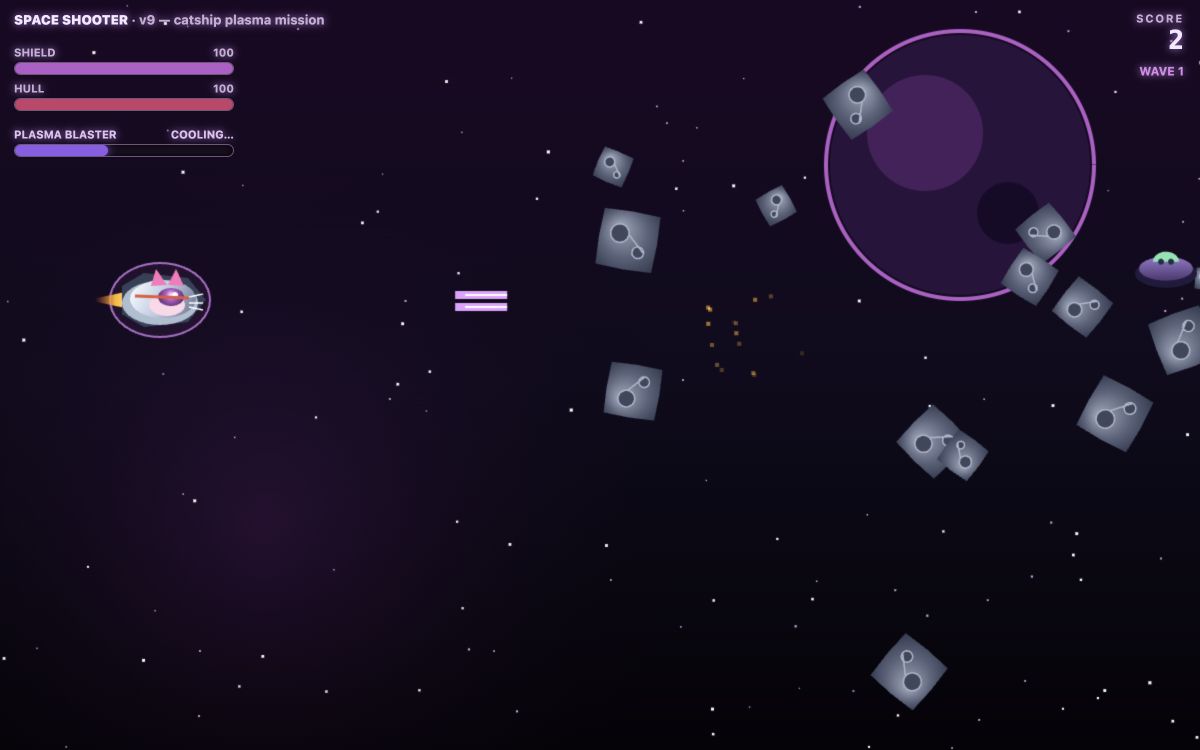
A gothic catship arcade mission shaped through nine rounds of iteration, with shields, scoring, asteroid fields, alien ships, and recurring mothership challenges.
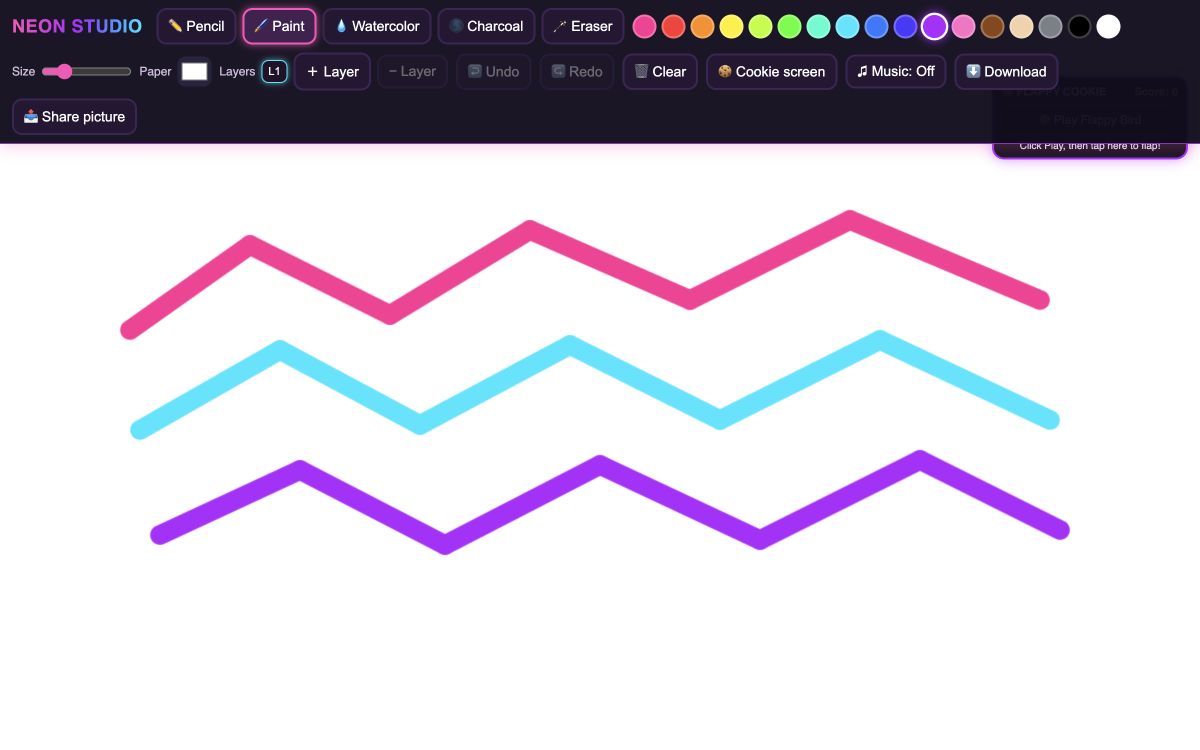
A full-browser drawing studio with pencil, paint, watercolor, charcoal, neon colors, layers, undo and redo, downloads, and a mini arcade break.
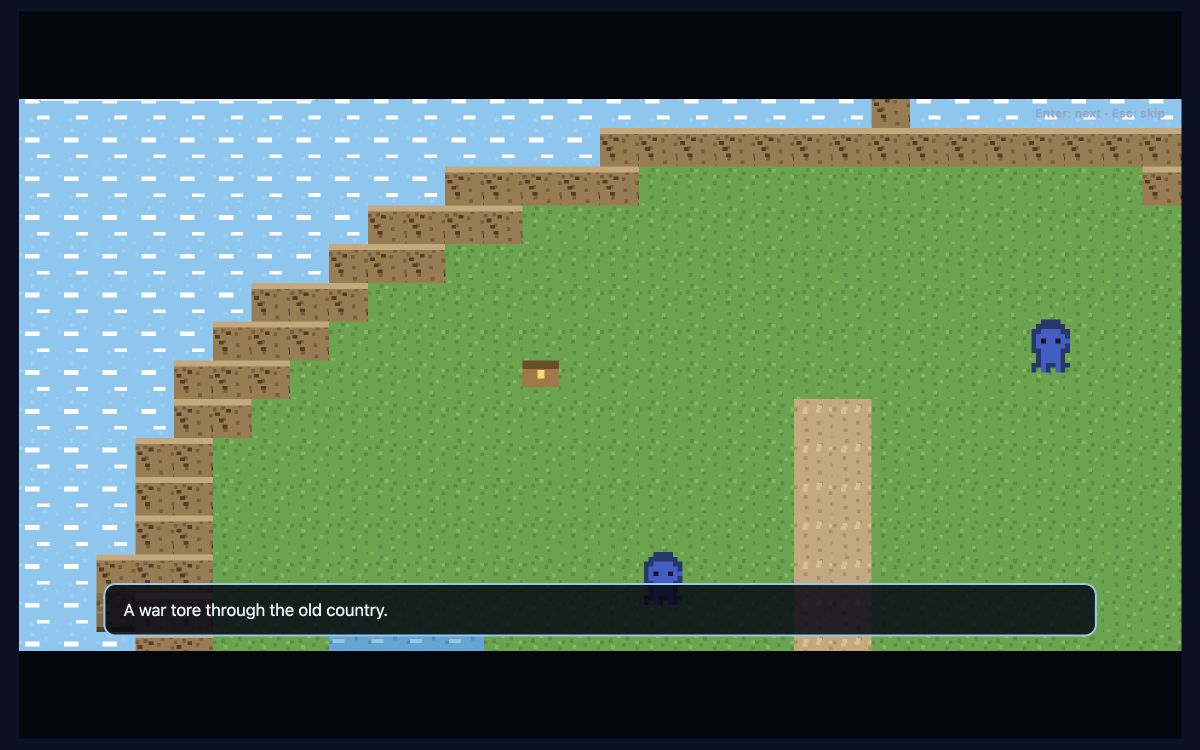
An original pixel adventure across three connected worlds, with exploration, story scenes, a quest map, turn-based encounters, and elemental powers.
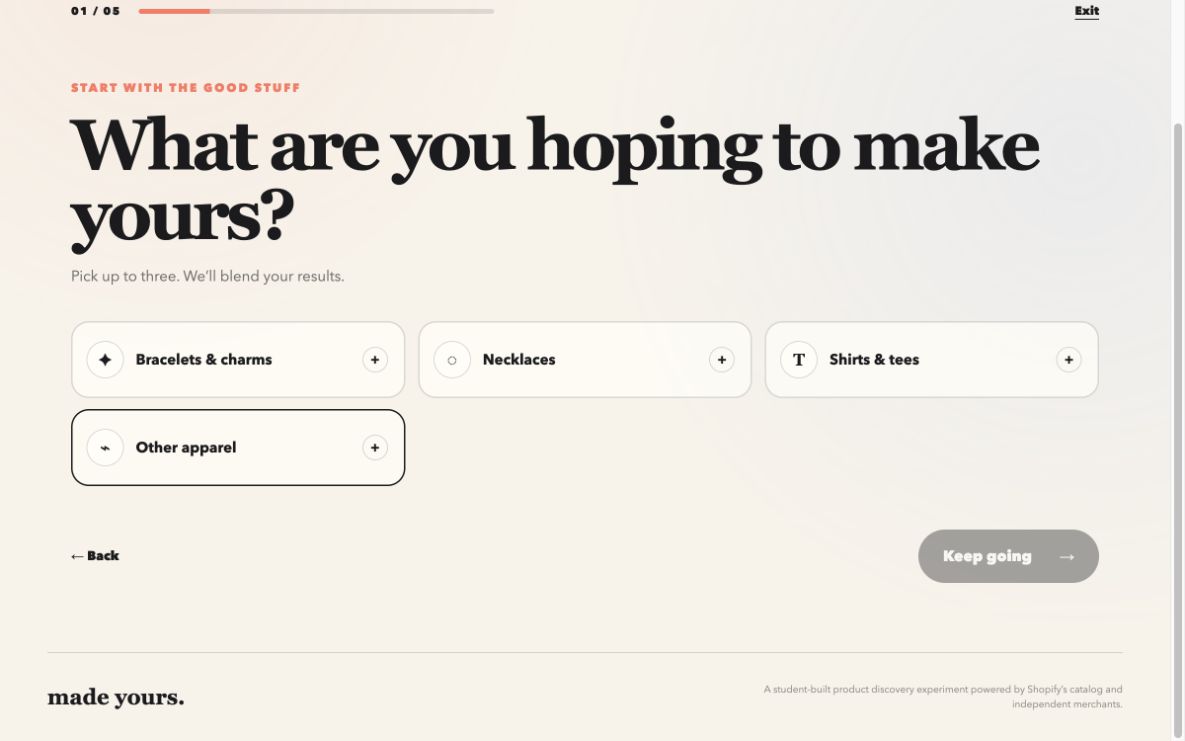
A five-question style mixer that searches independent Shopify shops, helps shoppers choose real product options, and hands each cart back to the merchant for checkout.
What the cohort demonstrated
The work did not require learners to become professional programmers in four weeks. It required them to stay curious, give clear direction, notice what was not working, make choices, and keep the project moving.
The lasting lesson
The learner still has to choose the idea, define what good looks like, reject weak output, protect the boundaries, and decide when the work is ready to show.
The next cohort starts with curiosity
Explore the live ages 8–11 program or join the interest list for the tracks now forming.